
"shell bean"
6000 article(s) found

What is the shelling of coffee beans?
Before exporting, brown beans should be treated by grinding, which is to remove the endocarp from the coffee beans to be sold. The residual shell of coffee beans after removal and cleaning of endocarp and drying process is also known as peeling or peeling. It is more difficult to remove the endocarp of coffee beans during wet treatment than during drying, so different shelling machines are needed. There are two main models:

Introduction to wet planing of coffee beans. Characteristics of wet planing of coffee beans. Is the coffee good?
Professional coffee knowledge exchange more coffee bean information please follow the coffee workshop (Wechat official account cafe_style) Today the editor will introduce to you a method of treatment that we have not heard of very often. ● wet planing (Giling Basah) this is a coffee processing method exclusive to Indonesia and two or three surrounding coffee-producing countries. Giling Basah is Indonesian and literally translated as scraped off under wet conditions.

Classification and causes of defective beans in SCAA Coffee SCAA level: Italian mixed beans with secondary defects
CAA level: whole sour bean is a first-level defect; one whole sour bean = a complete defect name: local sour bean SCAA level: local sour bean is a secondary defect; less than half of a bean is sour bean, 3 beans = 1 complete defect cause: agriculture and treatment. Sour beans are caused by fermentation, and they are contaminated by microorganisms in many places in the process of harvest and treatment.

Grinding or shelling of coffee beans
Coffee beans should be ground before they are exported, that is, the endocarp of Arabian and Robbite coffee beans to be sold should be removed. The residual shell of coffee beans after removal and cleaning of endocarp and drying process is also known as peeling or peeling. It is more difficult to remove the endocarp of coffee beans during wet treatment than during drying, so different methods are needed.
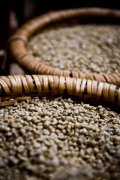
The skill of grinding or shelling coffee beans
Coffee beans should be ground before they are exported, that is, the endocarp of Arabian and Robbite coffee beans to be sold should be removed. The residual shell of coffee beans after removal and cleaning of endocarp and drying process is also known as peeling or peeling. It is more difficult to remove the endocarp of coffee beans during wet treatment than during drying, so different methods are needed.
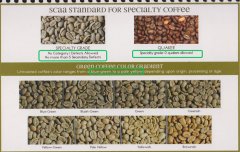
Standard of SCAA pecialty Coffee Fine Coffee Raw Bean
[SCAA "Specialty Coffee" standard for high-quality coffee raw beans] the raw bean defects of SCAA can be divided into two types: I and II. The requirement for premium coffee grade (specialty coffee) is: 1. There are no class I defects; 2. No more than 5 II class defects 3. There can be no "quaker" (0 quaker) Quick beans in cooked coffee beans. 4. The appearance of raw coffee beans

Analysis of grinding or shelling process of coffee beans
Coffee beans should be ground before they are exported, that is, the endocarp of Arabian and Robbite coffee beans to be sold should be removed. The residual shell of coffee beans after removal and cleaning of endocarp and drying process is also known as peeling or peeling. It is more difficult to remove the endocarp of coffee beans during wet treatment than during drying, so different methods are needed.
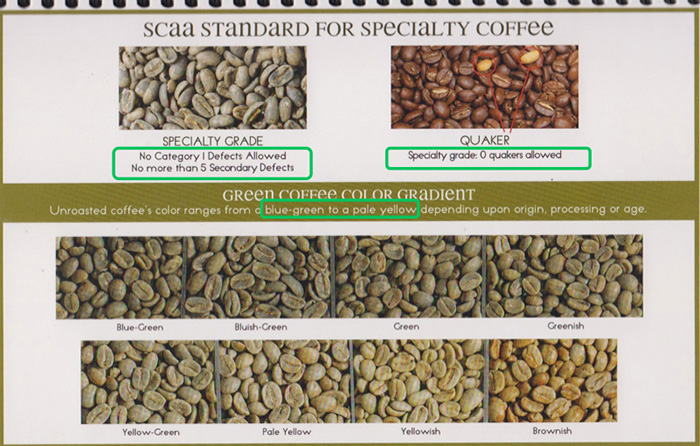
Boutique coffee beans: the standard of SCAA pecialty Coffee boutique coffee raw beans
The raw bean defects of SCAA can be divided into two types: I and II. The requirement for premium coffee grade (specialty coffee) is: 1. There are no class I defects; 2. No more than 5 II class defects 3. There can be no "quaker" (0 quaker) Quick beans in cooked coffee beans. 4. The color range of raw coffee beans is pale yellow (light yellow), yellow-green (
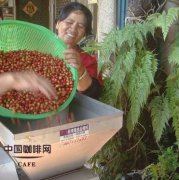
Fine coffee common sense grinding or shelling of coffee beans
Coffee beans should be ground before they are exported, that is, the endocarp of Arabian and Robbite coffee beans to be sold should be removed. The residual shell of coffee beans after removal and cleaning of endocarp and drying process is also known as peeling or peeling. It is more difficult to remove the endocarp of coffee beans during wet treatment than during drying, so different methods are needed.
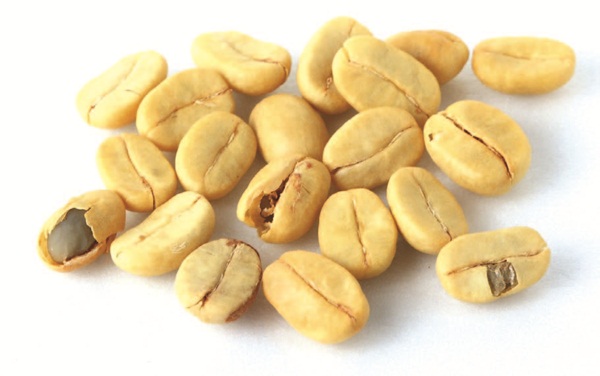
The main points of knowledge of coffee beans: a detailed introduction of the shelling process and operation methods of coffee beans
The coffee beans should be ground before they are exported, that is, the endocarp of the coffee beans to be sold should be removed. The residual shell of coffee beans after removal and cleaning of endocarp and drying process is also known as peeling or peeling. It is more difficult to remove the endocarp of coffee beans during wet treatment than during drying, so different shelling machines are needed. There are two main models.

The standard of SCAA pecialty Coffee boutique coffee raw beans is necessary for a good cup of coffee.
The raw bean defects of SCAA can be divided into two types: I and II. The requirement for premium coffee grade (specialty coffee) is: 1. There are no class I defects; 2. No more than 5 II class defects 3. There can be no "quaker" (0 quaker) Quick beans in cooked coffee beans. 4. The color range of raw coffee beans is pale yellow (light yellow), yellow-green (
Processing technology of high-quality coffee beans grinding or shelling of coffee beans
Coffee beans should be ground before they are exported, that is, the endocarp of Arabian and Robbite coffee beans to be sold should be removed. The residual shell of coffee beans after removal and cleaning of endocarp and drying process is also known as peeling or peeling. It is more difficult to remove the endocarp of coffee beans during wet treatment than during drying, so different methods are needed.

SCA Arabica Coffee Raw Bean grading Manual _ how do Arabica coffee beans be graded?
Professional coffee knowledge exchange more coffee bean information please follow the coffee workshop (Wechat official account cafe_style) [the standard of SCAA Specialty Coffee fine coffee raw beans] the raw bean defects of SCAA can be divided into two categories: I and II. The requirement for boutique coffee grade (specialty coffee) is that there are no Class I defects and no more than 5 II classes are missing.

Sumatra wet planing Mantenin brings good flavor!
Sumatran wet planing is the annual harvest season for manning in Sumatra from March to May and September to December, and now most coffee farmers only harvest all-red coffee cherries. After collecting coffee cherries in the morning, coffee cherries will be peeled and peeled in the afternoon. Sumatra has a superior natural environment, and most of the water used will be mountain spring water. 1. The coffee fruit is peeled and will take shell beans.

Process and characteristics of wet planing treatment of raw coffee beans the surface of raw coffee beans in Manning looks moldy
Sumatran wet planing is the annual harvest season for manning in Sumatra from March to May and September to December, and now most coffee farmers only harvest all-red coffee cherries. After collecting coffee cherries in the morning, coffee cherries will be peeled and peeled in the afternoon. Sumatra has a superior natural environment, and most of the water used will be mountain spring water. 1. Peel the coffee fruit and place the peas with shells.
Sumatra traditional wet planing Mantenin Indonesia Mantenin boutique coffee ripe beans
Wet planing method step by step 1, peel the coffee fruit, put the shell beans into a vat or sink filled with water, and remove the defective shell beans floating on the liquid surface. 2. Wash the dense shell beans sunk to the bottom of the water slightly, put them into a bucket or plastic bag, and do a little dry body fermentation, that is, to ferment and flavor the pectin sugar on the surface of the seed shell. Basically, the longer the fermentation time, the more sour. During fermentation

Coffee bean wet planing Giling Basah or Wet Hulling?
Professional coffee knowledge exchange more coffee bean information please pay attention to the coffee workshop (Wechat official account cafe_style) wet planing method. This is a coffee processing method exclusive to Indonesia and two or three surrounding coffee producing countries. Giling Basah is Indonesian, literally translated as scraping off the hard shell under wet conditions. It also has another English name, Wet Hulling. The earliest translation of this word in China

Waste coffee bean shells are made into reusable and environmentally friendly coffee cups.
Professional baristas follow the Coffee Workshop (Wechat official account cafe_style) as the world's largest coffee chain, Starbucks consumes about 4 billion disposable cups worldwide every year. If consumers want to reduce this waste, they can certainly bring their reusable cups to the coffee shop. However, Australian start-up Huskee has

Sumatran Coffee Wet planing. Is there a story about Sumatran Coffee? Sumatran Coffee recommendation
Professional coffee knowledge exchange more coffee bean information please follow the coffee workshop (Wechat official account cafe_style) Sumatran coffee wet planing every year in March and September-December is the Sumatran harvest Sumatran coffee beans season, now most coffee farmers only harvest all-red coffee cherries. After collecting the coffee cherries in the morning, the coffee cherries will be de-fruited in the afternoon

Characteristics of Sumatran Wet planing Coffee beans: differences between Indonesian Wet planing and washed and Sun-cured Coffee
Professional coffee knowledge exchange more coffee bean information please follow the coffee workshop (Wechat official account cafe_style) every year March and September-December is the Sumatra harvest season for manning, and now most coffee farmers only harvest all-red coffee cherries. After collecting the coffee cherries in the morning, the coffee cherries will be peeled and peeled in the afternoon. Sumatra has an excellent natural environment.